Back
Premises Liability
The Illusion of Safety: When Controlled Environments Create Hidden Risks
Premises Liability
April 17, 2026
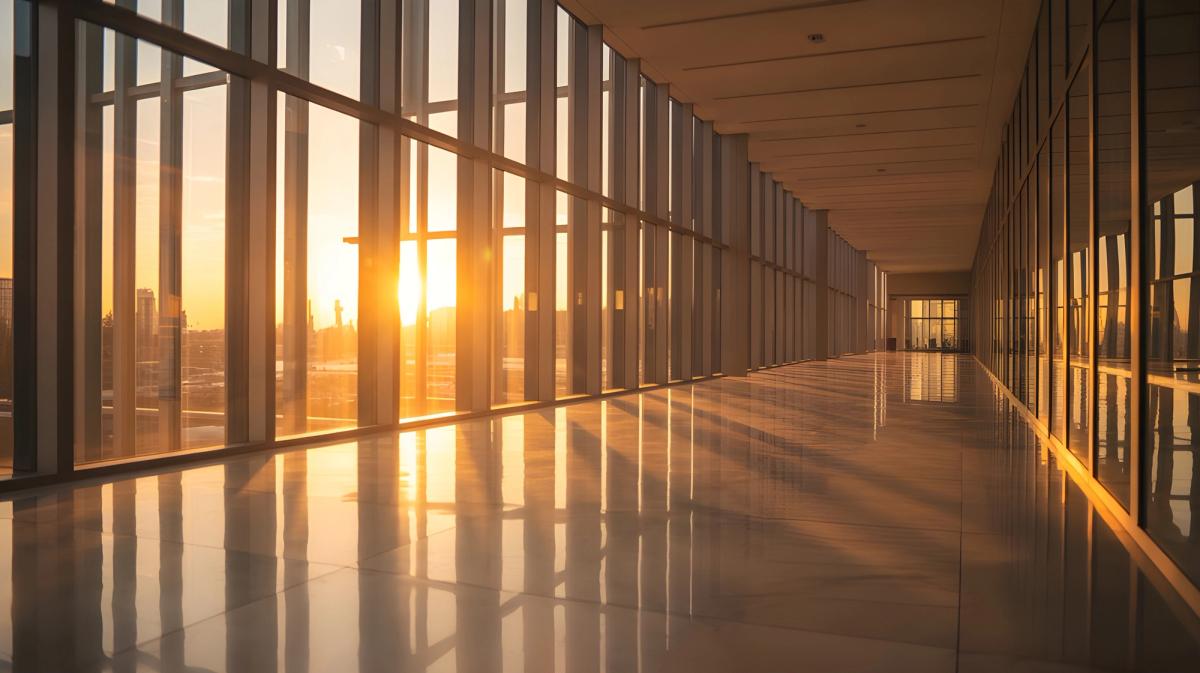
At Stratejic Relationships, we recognize that some of the most significant premises liability cases arise not from obviously dangerous environments, but from places that appear safe. Modern commercial spaces—shopping centers, office buildings, hotels, and other controlled environments—are designed to create a sense of order, comfort, and predictability. Yet beneath that appearance, risks may exist that are not immediately visible.
This contrast between perception and reality is at the core of many premises liability claims. When individuals enter a space that appears secure, their expectations shift. They rely on the environment to function as intended. When that expectation is not met, the legal implications can be substantial.
Opening Insight
Safety is often judged by appearance. Clean floors, proper lighting, organized layouts, and professional staff all contribute to a perception of control. These elements signal to visitors that the environment has been carefully managed.
However, perception can be misleading.
A space may appear well-maintained while underlying issues remain unaddressed. Structural weaknesses, overlooked maintenance concerns, or inconsistent safety practices may not be visible until an incident occurs. By that point, the distinction between perceived safety and actual safety becomes critical.
This gap is where legal risk develops.
The Legal Landscape
Premises liability law is based on the principle that property owners and operators have a responsibility to maintain reasonably safe conditions for those who enter their premises. This responsibility is shaped by the nature of the property and the expectations of visitors.
Key considerations often include:
- Whether a hazardous condition existed
- Whether the owner knew or should have known about it
- Whether reasonable steps were taken to address the issue
- Whether visitors were adequately warned
Importantly, liability is not limited to obvious dangers. In many cases, it arises from conditions that were not apparent to visitors but were foreseeable or preventable.
This is where the concept of hidden risk becomes central.
Where Problems Typically Arise
Hidden risks often emerge in environments where operations are routine and systems are assumed to be functioning properly. Over time, familiarity can reduce vigilance.
Common sources of hidden risk include:
- Irregular maintenance of high-traffic areas
- Temporary hazards that are not promptly addressed
- Design features that create unexpected risks
- Inconsistent safety protocols across different locations
- Overreliance on visual inspection rather than systematic checks
These issues are often not dramatic or immediately dangerous. Instead, they develop gradually, becoming part of the environment without drawing attention.
When incidents occur, they reveal conditions that may have existed unnoticed for extended periods.
Strategic Considerations
Managing premises liability risk requires moving beyond surface-level evaluation. Organizations must adopt a more structured and proactive approach to identifying potential hazards.
Key strategic considerations include:
- Regular inspection protocols: ensuring that conditions are evaluated consistently and thoroughly
- Preventative maintenance systems: addressing issues before they become visible problems
- Clear reporting channels: allowing staff to identify and escalate concerns
- Documentation practices: creating records that demonstrate ongoing attention to safety
- Risk-based prioritization: focusing on areas with higher exposure or frequency of use
One of the most important elements is consistency. Safety practices must be applied uniformly, not only when issues are visible or incidents occur.
The Role of Expectation in Liability
Expectation plays a powerful role in premises liability. Visitors adjust their behavior based on how safe an environment appears.
For example:
- In a well-lit, modern space, visitors may assume minimal risk
- In a controlled commercial setting, they may expect hazards to be managed
- In familiar environments, they may be less cautious
When these expectations are not met, the perceived severity of the incident increases. This can influence both legal evaluation and overall impact.
When Design Creates Risk
In some cases, risk is not the result of neglect, but of design. Certain layouts or architectural choices may unintentionally create hazards.
Examples include:
- Flooring materials that become slippery under certain conditions
- Layouts that obscure visibility or create congestion
- Transitions between surfaces that are difficult to detect
- Decorative elements that interfere with safe movement
These risks are particularly significant because they are embedded in the structure of the environment. They may not be easily identified without deliberate analysis.
The Escalation of Hidden Risk
Hidden risks often remain undetected until an incident occurs. Once identified, they may reveal a pattern of oversight rather than a single event.
This escalation can lead to:
- Multiple similar incidents over time
- Increased legal exposure
- Questions about inspection and maintenance practices
- Greater scrutiny of operational procedures
What initially appears to be an isolated accident may ultimately be viewed as part of a broader issue.
Perception vs. Reality in Legal Analysis
In premises liability cases, both perception and reality matter. Courts may consider not only whether a hazard existed, but whether it was reasonably detectable and preventable.
This dual perspective raises important questions:
- Was the environment as safe as it appeared?
- Were risks identified and addressed appropriately?
- Did the property owner meet reasonable expectations of safety?
The answers to these questions often determine the outcome of a case.
Why Hidden Risks Matter in Modern Spaces
As environments become more controlled and designed, expectations of safety continue to rise. Visitors assume that systems are in place to identify and manage risks proactively.
This makes hidden hazards particularly significant. They challenge the assumption that controlled environments are inherently safe.
Addressing these risks requires continuous attention—not only to visible conditions, but to underlying systems and processes.
Key Takeaways
- Premises liability often arises from hidden risks, not obvious hazards.
- Perceived safety can differ significantly from actual safety.
- Consistent inspection and maintenance are critical to risk prevention.
- Design choices can unintentionally create liability exposure.
- Expectation plays a key role in how incidents are evaluated legally.
Professional Insight
Premises liability cases reflect the intersection of environment, expectation, and responsibility. Identifying and managing hidden risks requires both operational discipline and legal awareness.
At Stratejic Relationships, we foster collaboration among professionals addressing complex liability and risk management issues. By encouraging shared insight and strategic thinking, Stratejic Relationships supports more effective approaches to maintaining safe environments and navigating legal challenges.
Latest Articles
Why Strong Professional Relationships Drive Success in Complex Litigation
Complex litigation often requires collaboration among legal professionals across disciplines and jurisdictions. This article explores how strong professional relationships contribute to effective strategy, trust, and long-term success in the legal field.
Wrongful Death - Pursuing Justice After a Loved One's Death
A wrongful death lawsuit allows family members to hold the responsible party accountable for their loved one’s death. These cases often arise from situations such as car accidents, medical malpractice, or workplace incidents. Compensation can cover funeral expenses, lost income, and emotional suffering.
Stay informed with us
Sign up to receive insights from Stratejic Relationships and learn more about new case studies, articles, and more.