Back
Premises Liability
Premises Liability and the Responsibility to Maintain Safe Public Spaces
Premises Liability
March 4, 2026
At Stratejic Relationships, we recognize that premises liability cases play an important role in reinforcing public safety and accountability. Every day, individuals enter businesses, residential buildings, entertainment venues, and public facilities with the reasonable expectation that these environments are maintained responsibly. When property owners fail to address hazardous conditions, the consequences can be serious and sometimes life-altering.
Premises liability law exists to address these situations. By establishing clear legal responsibilities for property owners and managers, the law encourages proactive safety practices and helps ensure that preventable hazards are not ignored.
Understanding the Concept of Premises Liability
Premises liability refers to the legal responsibility of property owners, landlords, businesses, and other property controllers to maintain reasonably safe conditions for visitors. When negligence leads to dangerous conditions that cause injury, those responsible for maintaining the property may be held liable.
These cases commonly arise in places such as:
- Retail stores and shopping centers
- Restaurants, hotels, and entertainment venues
- Apartment complexes and residential properties
- Office buildings and workplaces
- Parking structures and public walkways
In each situation, the core question remains the same: did the property owner take reasonable steps to prevent foreseeable harm?
The Duty of Care Owed to Visitors
A central principle in premises liability law is the duty of care owed to those who enter a property. Property owners are generally expected to exercise reasonable care in identifying and addressing potential hazards.
This duty may involve:
- Conducting routine property inspections
- Repairing unsafe conditions promptly
- Providing warnings for hazards that cannot be immediately fixed
- Ensuring compliance with safety regulations and building codes
Failing to meet these responsibilities can create risks not only for visitors but also for employees and residents.
Common Hazards That Lead to Premises Liability Claims
Many premises liability cases arise from conditions that could have been prevented through proper maintenance and oversight. While hazards may vary depending on the type of property, certain risks appear frequently in litigation.
Examples include:
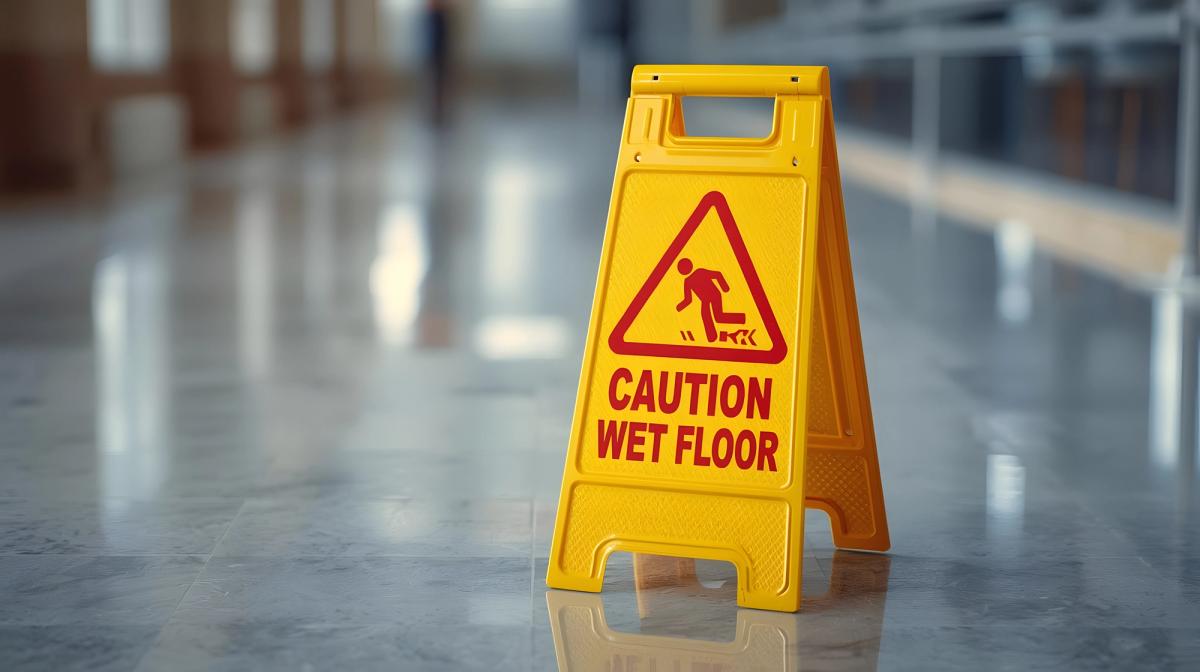
- Slippery or wet floors without proper warning signs
- Broken stairs, handrails, or walkways
- Inadequate lighting in parking areas or hallways
- Falling merchandise or unsecured shelving
- Poor security measures in high-risk areas
These hazards are often avoidable, which is why courts closely examine whether property owners acted reasonably in preventing or addressing them.
The Role of Foreseeability in Liability
Foreseeability plays a key role in determining liability. Property owners are not expected to eliminate every possible risk, but they are expected to anticipate hazards that are reasonably predictable.
Courts may consider factors such as:
- Whether similar incidents occurred previously
- How long the hazardous condition existed
- Whether routine inspections would have discovered the issue
- Whether the property owner had adequate safety procedures in place
When foreseeable risks are ignored, liability becomes more likely.
Evidence and Investigation in Premises Liability Cases
Premises liability cases often depend on detailed investigation and documentation. Determining how an incident occurred — and whether it could have been prevented — requires careful examination of the facts.
Evidence may include:
- Surveillance footage
- Maintenance and inspection records
- Incident reports
- Witness statements
- Expert analysis regarding safety standards
This evidence helps establish whether negligence contributed to the injury.
The Broader Impact of Premises Liability Law
While premises liability cases arise from individual incidents, their impact extends far beyond a single dispute. These claims encourage property owners and businesses to take safety responsibilities seriously.
Over time, premises liability litigation has contributed to:
- Improved safety procedures in commercial properties
- Better maintenance standards for residential complexes
- Increased awareness of risk management among businesses
- Greater emphasis on compliance with building and safety codes
In this way, premises liability law plays a preventive role in protecting communities.
Balancing Responsibility and Practical Limitations
Courts also recognize that property owners cannot guarantee absolute safety. Instead, the law focuses on whether reasonable precautions were taken under the circumstances.
This balanced approach ensures that:
- Visitors are protected from preventable hazards
- Property owners are not held liable for unavoidable accidents
- Responsibility is evaluated based on evidence and context
Maintaining this balance is essential to fair and effective premises liability law.
Promoting Safer Environments Through Legal Accountability
Premises liability claims ultimately reinforce the principle that safety is a shared responsibility. Businesses, landlords, and property managers all play a role in creating environments where individuals can move safely and confidently.
By encouraging proactive maintenance and responsible property management, these cases contribute to safer public and private spaces alike.
Supporting Legal Insight Through Strategic Connections
Premises liability cases often intersect with personal injury law, regulatory compliance, and risk management practices. Addressing these matters effectively benefits from collaboration and shared expertise among legal professionals.
At Stratejic Relationships, we support meaningful engagement among attorneys navigating complex liability matters. By fostering professional connections and encouraging knowledge exchange, Stratejic Relationships helps strengthen advocacy that promotes safety, accountability, and responsible property management.
Latest Articles
Why Strong Professional Relationships Drive Success in Complex Litigation
Complex litigation often requires collaboration among legal professionals across disciplines and jurisdictions. This article explores how strong professional relationships contribute to effective strategy, trust, and long-term success in the legal field.
Wrongful Death - Pursuing Justice After a Loved One's Death
A wrongful death lawsuit allows family members to hold the responsible party accountable for their loved one’s death. These cases often arise from situations such as car accidents, medical malpractice, or workplace incidents. Compensation can cover funeral expenses, lost income, and emotional suffering.
Stay informed with us
Sign up to receive insights from Stratejic Relationships and learn more about new case studies, articles, and more.